
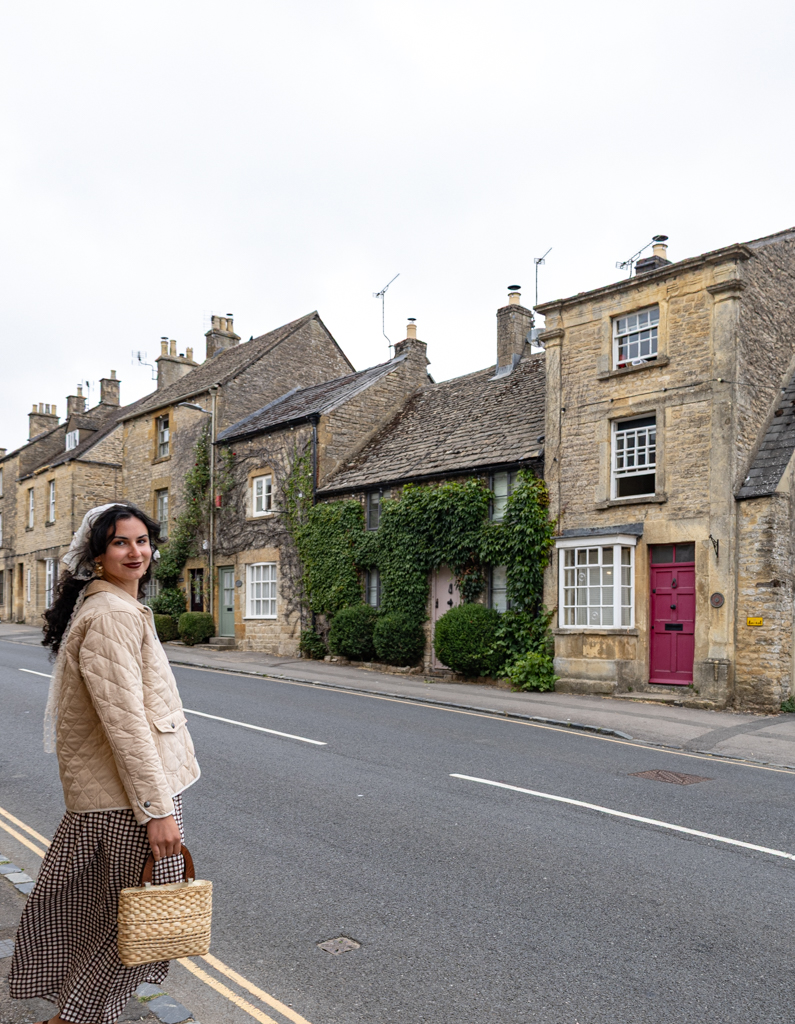
Stow-on-the-Wold was THE one Cotswold village that I especially wanted to visit during my traveling time in England. The village showcases beautiful honey-colored stone architecture and the medieval style Church, St. Edward’s. For centuries, Stow-on-the-Wold was one of England’s most famous wool-trading centers, with it’s beautiful market square. Today, the historic market village is lined with quaint, picturesque pubs, boutiques, tea rooms, antique shops, & cozy cafes. Visiting Stow-on-the-Wold felt like I was going back in time.
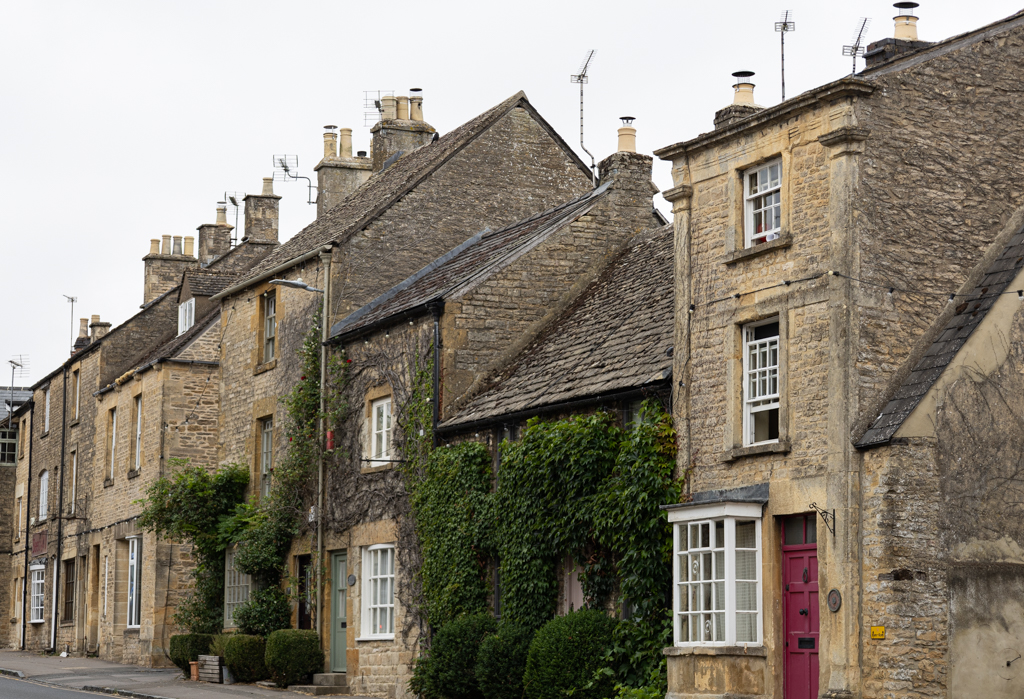
A Bit of History
Stow-on-the-Wold is located in Gloucestershire and sits upon an 800 foot hill-top, the highest of all Cotswold villages. You might be wondering where the name, “Stow-on-the-Wold” originated. Stow comes from an old English word, meaning a holy place or meeting place. The old English word wald gave us the word Wold, meaning open high ground or rolling hills. Historically, the village became known as Stow-on-the-Wold during the 12th century when King Henry the First granted market rights and then it later signified a holy gathering place on top of a high, breezy hill.
Tea for Two Please
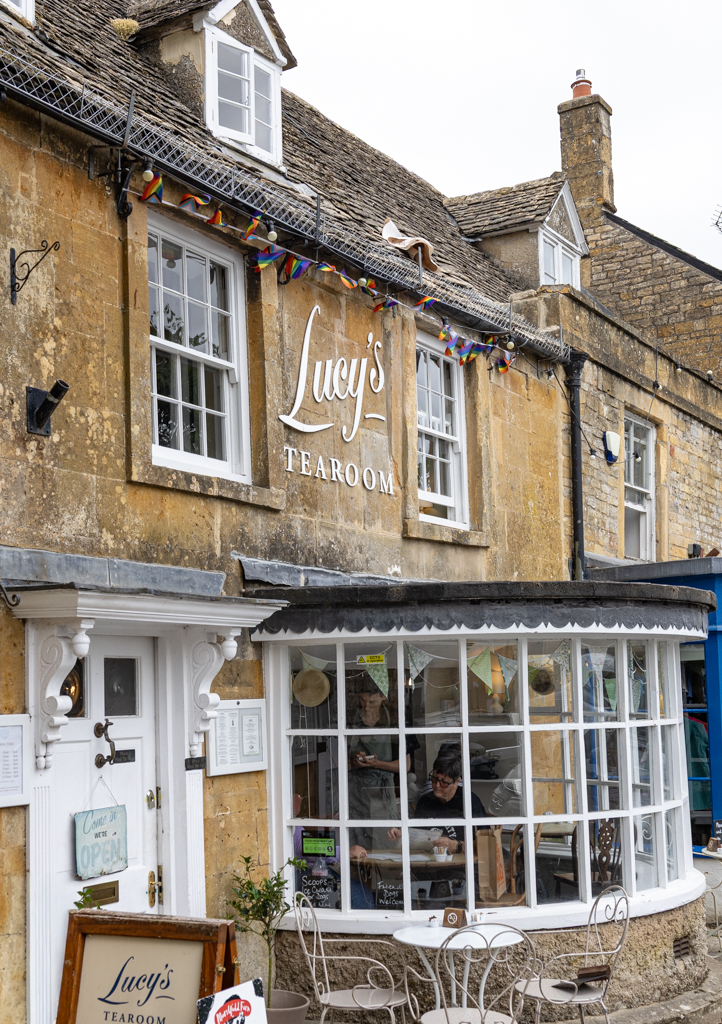
Upon arriving in Stow-on-the-Wold, it was cloudy and cool. Naturally, it was the perfect morning to find a spot in one of their cozy tea rooms and sip tea, hot cocoa, and enjoy a delicious breakfast. With that in mind, we visited Lucy’s Tea Room and had the best seat, right by the window, which you can see in the photograph below. Isn’t it a lovely spot? After breakfast, we made our way to St. Edwards Church.
The Old Church Door
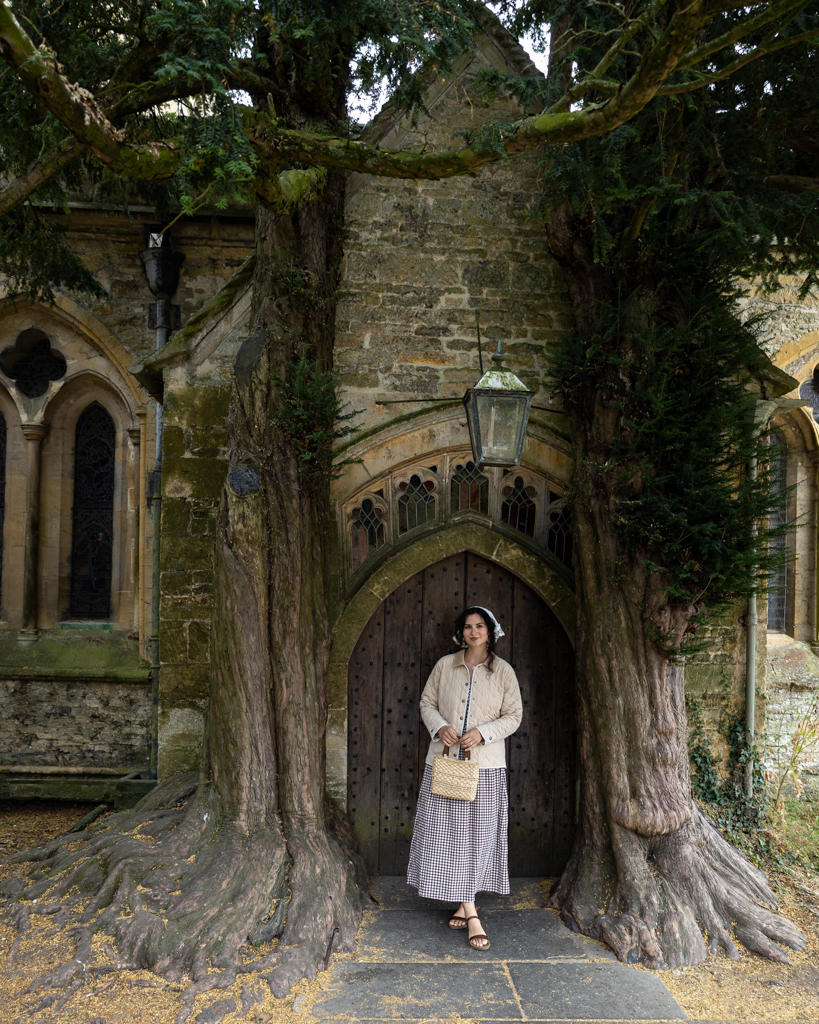
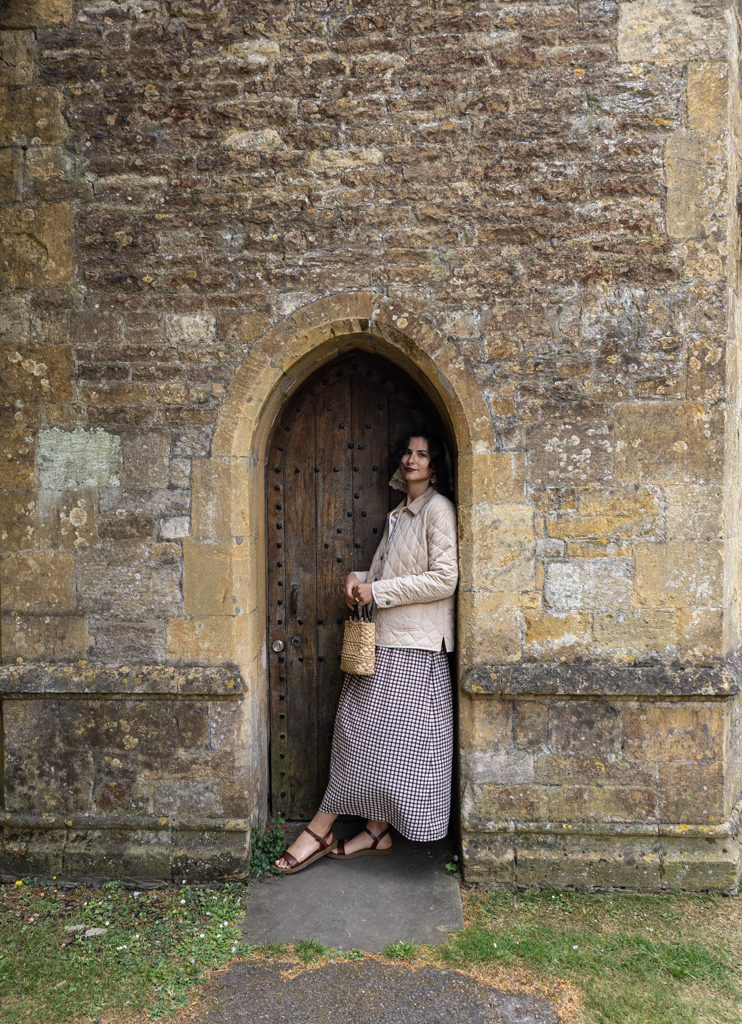
Stow-on-the-Wold’s famous “Tolkien door” is located on the north side of St. Edward’s Church and two yew trees, planted around 300 years ago, frame it. Many believe the ancient door inspired J. R. R. Tolkien’s Doors of Durin in The Lord of the Rings. The door looks just like something straight out of a storybook.
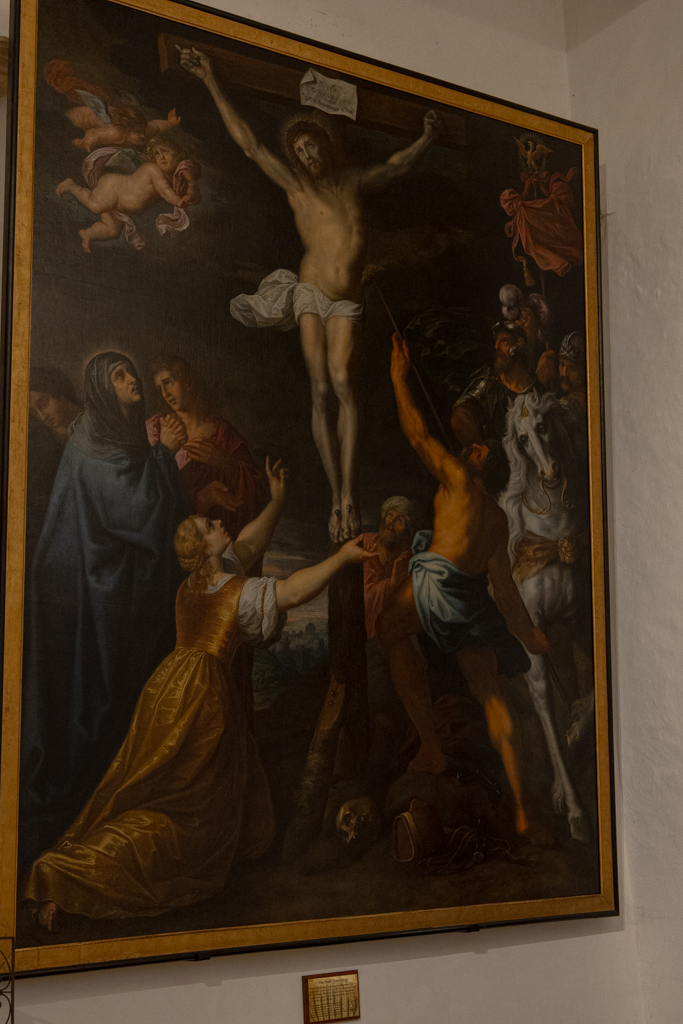
The inside of St. Edwards Church was extraordinary. Stepping inside, we were greeted by huge stained glass windows with intricate detailing and bright colors, letting in enchanting light within the church building. The church also displays a large painting of the Crucifixion by Gaspar de Crayer, donated in 1875.
Admiring the Village
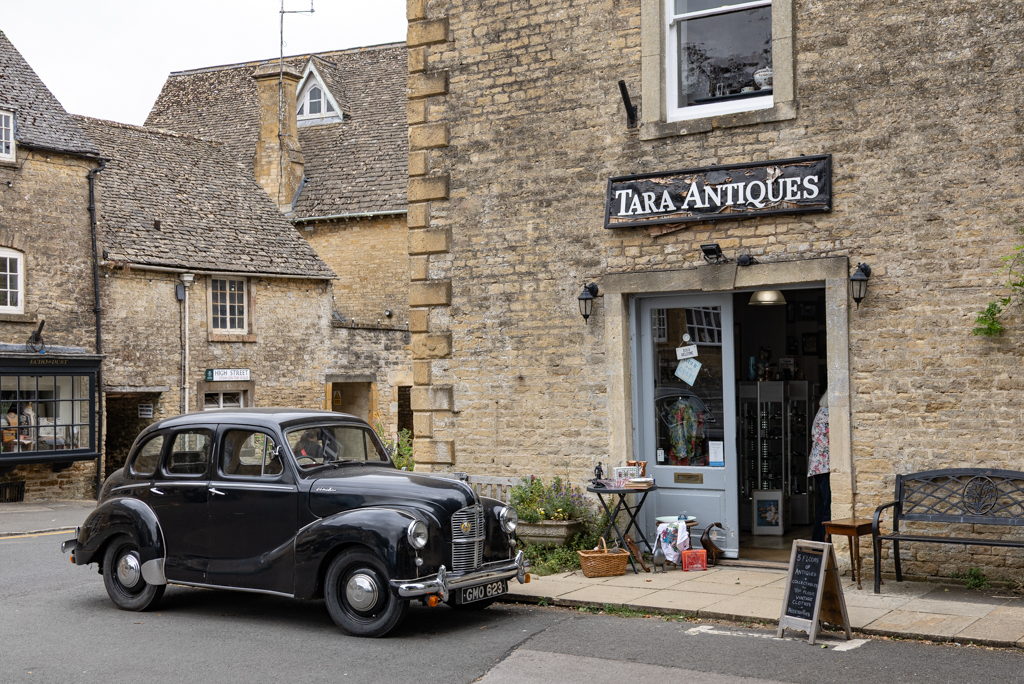
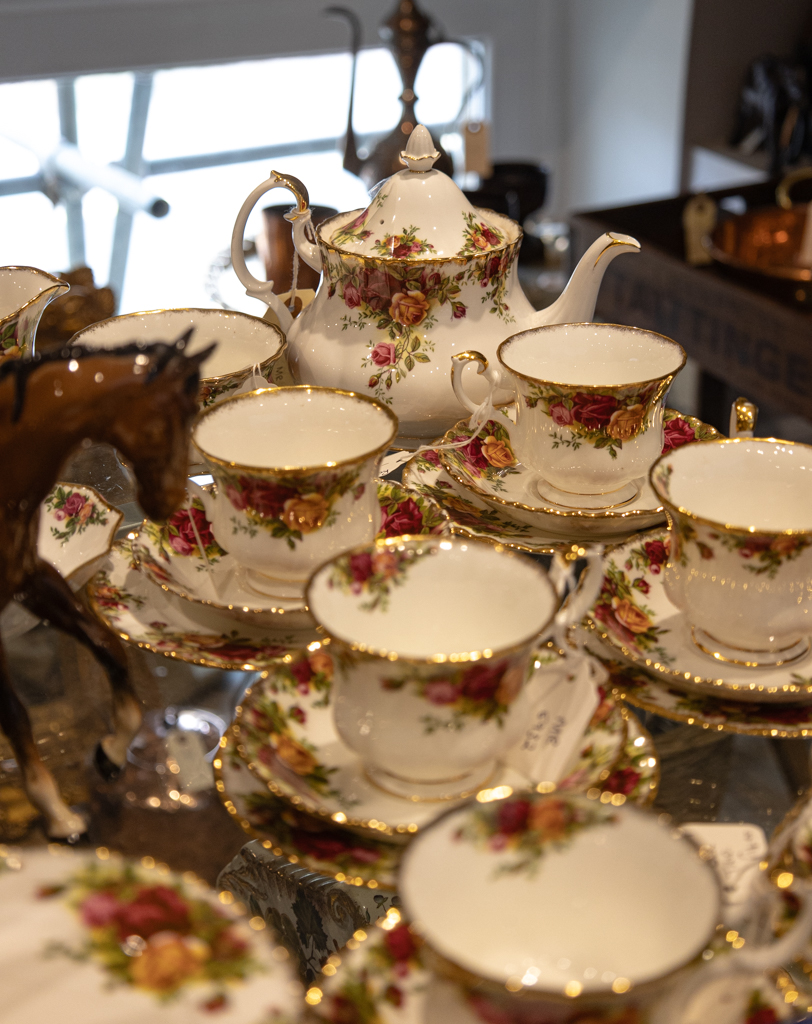
While exploring the village, I stopped into Tara Antiques and was amazed at the variety of antiques they had on display. There were three floors of antiques! It’s the kind of place anyone could get lost in. There were many antique brass candlesticks, tea sets, and endless little knickknacks. I ended up purchasing a pair of antique brass horse head hooks, a brass bugle, and a Peter Rabbit figurine, which I now have displayed in my cottage kitchen. I highly recommend stopping in Tara’s if Stow-on-the-Wold is on your list of Cotswold villages to visit.
For lunch, we stopped into a 500-year-old pub in the village called The Kings Arms. We sat at a little wooden table next to a wall made of stones. I remember thinking how cute it was that all the chairs in the pub were antiques and all a little bit different. I ordered their famous slow braised blade of beef and it came with seasonal vegetables, a creamy horseradish mash, and a red wine gravy. It was absolutely delicious!
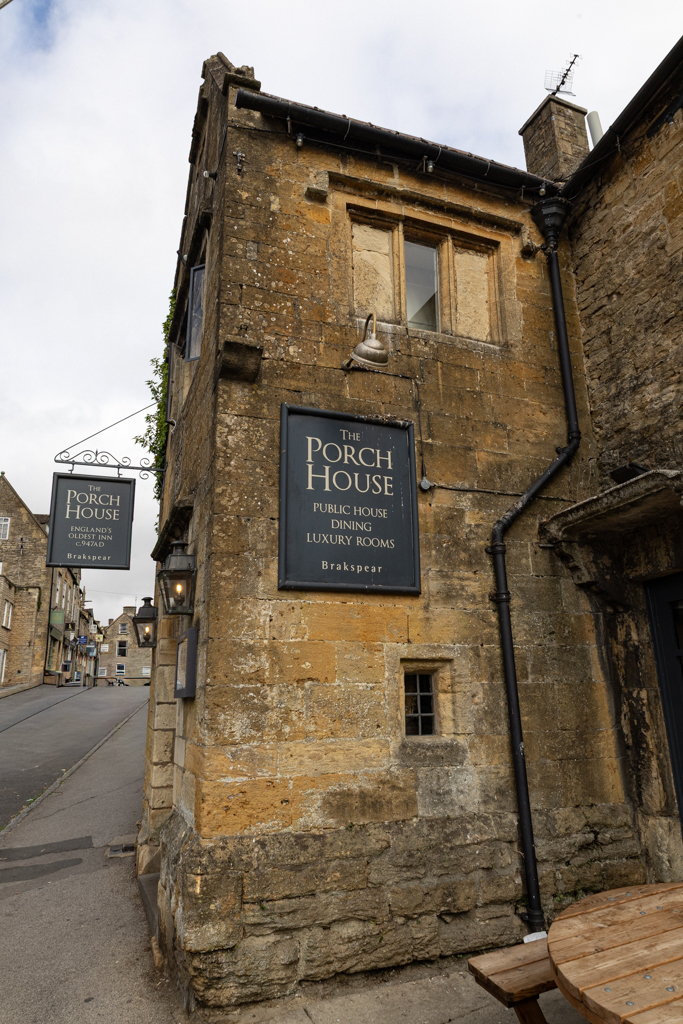
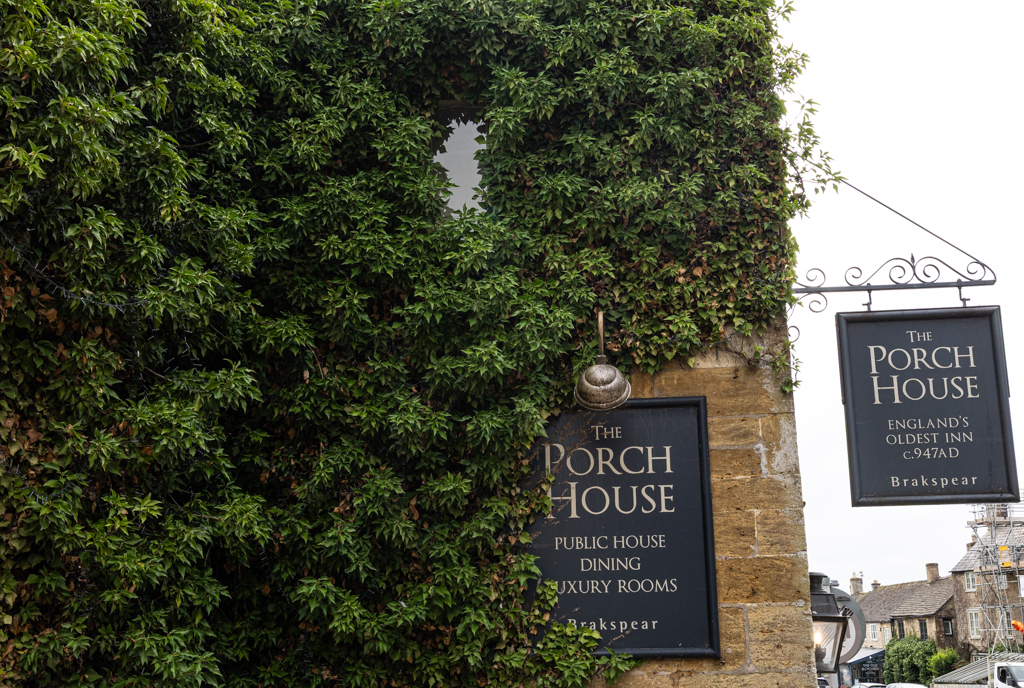
A short walking distance away from The Kings Arms stands The Porch House, which is famously known to be England’s oldest Inn dating back to 947AD. How neat is that? Today, it serves as a public house featuring the original stone walls, crooked staircases, and an old fireplace.
Overall, Stow-on-the-Wold is a very picturesque village right in heart of the Cotswolds and I hope to visit it again in the future. There’s so much more left to explore! Whether you’re browsing antique shops, enjoying afternoon tea, or simply wandering its charming medieval streets, it’s a village that’s worth visiting. If you ever find yourselves in the Cotswolds, I hope that you take the time to visit Stow-on-the Wold because it’s quite remarkable! For more of my traveling adventures, browse Gracie’s Getaways.
Hi Grace. What a beautiful place to visit and gorgeous writing! I have always wanted to go to the Cotswolds. Thank you for a glimpse into life in Stow-on-the-Wold. The tea room looks a real treat!
Hello Stephanie! Thank you so very much for reading my blog. Stow-on-the-Wold was such a charming village and I would go back in a heartbeat!